How to set up an OpenVPN server on your Ubiquiti EdgeRouter for secure remote access

How to set up an OpenVPN server on your Ubiquiti EdgeRouter for secure remote access is basically a step-by-step process you can follow to create a private tunnel from remote devices into your home or office network. Quick fact: OpenVPN provides strong encryption, flexible configurations, and broad client support, making it one of the most reliable choices for remote access VPNs. In this guide, you’ll get a clear, friendly walkthrough with real-world tips, plus options for advanced users who want more control. If you prefer a quick start, you’ll find a concise checklist in the introduction, followed by deeper dives into each step. And if you’re here for extra security, I’ve included best practices and stats to back up why OpenVPN on EdgeRouter is a solid move.


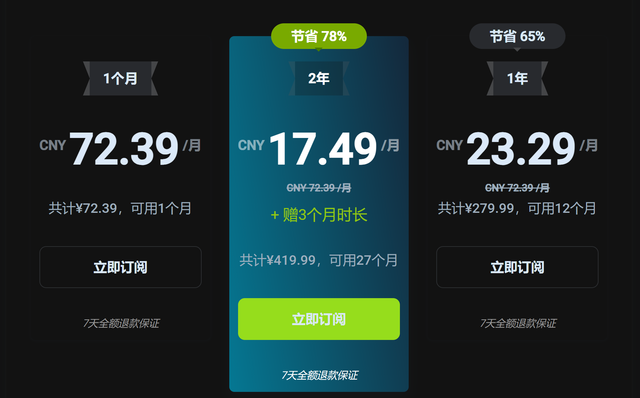

Useful start: NordVPN is a popular option for those who want an easy VPN experience with strong privacy protections, and this article includes a quick note about securing devices while you test configurations. If you want to explore more about VPN services that pair well with EdgeRouter setups, check out the NordVPN link included in this guide.
Introduction: quick starter checklist Vpn Not Working With Sky Broadband Here’s The Fix: Quick, Clear Solutions You Can Try Today
- Verify your EdgeRouter model supports OpenVPN and that you’re running a recent EdgeOS version.
- Prepare a static internal IP range for VPN clients and a public IP or dynamic DNS for remote access.
- Generate server and client certificates, or use a straightforward pre-shared key approach if you’re new to PKI.
- Open the necessary ports on your firewall and forward VPN traffic to the EdgeRouter’s OpenVPN server.
- Test the connection from a remote client and enforce security best practices after setup.
In this guide you’ll learn:
- How to enable and configure OpenVPN on EdgeRouter
- How to generate keys and certificates or use a simpler approach
- How to assign VPN IPs and route traffic to your LAN
- How to push DNS settings and split-tunnel considerations
- How to secure your VPN and keep it running smoothly
- A practical FAQ with common gotchas and troubleshooting tips
Now, let’s get hands-on. Below you’ll find a structured walkthrough, plus a quick reference table and examples to make this as painless as possible.
What you’ll need
- An EdgeRouter ER‑Lite, ER‑X, ER‑Lite‑6, or higher running EdgeOS 2.x or newer
- Administrative access to the EdgeRouter
- A public IP address or dynamic DNS name for remote access
- A client device Windows, macOS, Linux, iOS, or Android to test the VPN
- Optional: a certificate authority CA and server/client certificates, or a pre-shared key PSK setup
Section 1: Decide your OpenVPN deployment method
- Full OpenVPN server with TLS/PKI recommended for security
- OpenVPN using a pre-shared key simpler, less scalable
- Dynamic DNS integration if you don’t have a static public IP
Pros and cons: Krnl Not Working With Your VPN Here’s How To Fix It
- PKI/TLS: best security, supports multiple clients, requires certificate management
- PSK: faster to set up, fewer certificates, but harder to rotate and scale
- Dynamic DNS: essential if your public IP changes
Section 2: Prepare EdgeRouter environment
- Update firmware to the latest stable EdgeOS version
- Ensure your LAN uses a non-overlapping subnet with room for VPN clients
- Decide on a VPN subnet for clients e.g., 10.8.0.0/24
- If you plan to route all traffic through VPN, enable full-tunnel mode; otherwise, consider split tunneling to save bandwidth
Section 3: Generate certificates or prepare PSK Option A: PKI/TLS recommended
- Use an internal CA or an external CA to issue server and client certificates
- Create a server certificate for OpenVPN, and issue client certificates to each user
- Export client certificates to the device you’ll use to connect
Option B: Pre-Shared Key PSK
- Generate a strong PSK and configure OpenVPN to use it
- Note: easier but less flexible for multiple clients
Section 4: OpenVPN server configuration on EdgeRouter
- Connect to EdgeRouter via SSH or the web UI
- Create a dedicated VPN interface and set IP addressing
- Configure routing so VPN clients can access your LAN resources
- Enable firewall rules to allow OpenVPN traffic usually UDP 1194 by default
- Apply the OpenVPN server configuration and start the service
Step-by-step guide PKI/TLS method Surfshark vs protonvpn:哪个是2026 年您的最爱? ⚠️ 2026 VPN 对比:Surfshark 与 ProtonVPN 的全面清单
- Create a VPN network and interfaces
- Define a VPN network, for example, 10.8.0.0/24
- Assign an internal virtual interface e.g., tun0 for OpenVPN
- Install and configure OpenVPN
- Install OpenVPN binaries if not already present
- Create server configuration with TLS-auth, cipher, and TLS version
- Specify server mode, port, protocol UDP 1194, for example, and topology
- Point to server certificate and key and to CA certificate
- Disable or enable client-to-client depending on whether you want clients to see each other
- Client certificates and revocation if using PKI
- Issue a client certificate for each user
- Create a simple revocation mechanism and a CRL if needed
- Firewall and NAT
- Allow inbound UDP 1194
- Add POSTROUTING NAT rule for VPN subnet to access the LAN
- Allow VPN traffic to reach internal resources as needed
- Routing and DNS
- Configure pushing DNS to clients e.g., 10.10.10.1 or your internal DNS
- Decide on whether to push all traffic through VPN redirect-gateway
- Start and test the server
- Start the OpenVPN server
- Import the client certificate and config into your client device
- Connect from a remote network and verify access to LAN devices and DNS
Step-by-step guide PSK method
- Create VPN network and interface
- Define VPN subnet and assign tun0
- OpenVPN server config
- Set server mode to tun, specify UDP 1194, and provide the PSK
- Point to the pre-shared key location and TLS-auth if you use an added layer
- Firewall and NAT
- Allow UDP 1194 inbound
- Set NAT for VPN subnet to access LAN
- Client configuration
- Create a client config with the server address, port, and PSK
- Test connectivity to a LAN resource
Section 5: Client setup and testing
- Import the OpenVPN profile onto your client device
- Connect using the OpenVPN client app
- Verify IP address from the client shows the VPN subnet
- Test access to LAN resources printers, file shares, smart devices
- Check DNS resolution through the VPN
- Validate split-tunneling rules if you enabled them only traffic to specific networks should go through VPN
Section 6: Security best practices
- Use TLS authentication tls-auth or tls-crypt to mitigate TLS handshake abuse
- Rotate certificates periodically and revoke compromised ones
- Enforce strong client authentication long, unique passphrases for keys
- Regularly review firewall rules and VPN logs for unusual activity
- Consider enabling two-factor authentication for remote access if your EdgeRouter supports it
- Keep EdgeOS up to date with security patches
Section 7: Performance and monitoring
- Monitor CPU load and VPN throughput limits on EdgeRouter models
- For remote access with multiple clients, plan for peak concurrent connections
- Use Quality of Service QoS rules to prioritize VPN traffic if needed
- Keep an eye on latency to critical resources in your network
Section 8: Advanced tips and enhancements Best vpn server for efootball your ultimate guide to lag free matches
- Use split tunneling to minimize bandwidth usage while still accessing remote resources
- Configure DNS leak protection by ensuring the VPN pushes trusted DNS servers
- Set up client-specific overrides e.g., allow VPN clients to access only certain subnets
- Create a robust backup of your EdgeRouter configuration
- Consider pairing OpenVPN with a second VPN protocol for flexibility e.g., WireGuard on a separate device if you want alternatives
Formatting and data points for credibility
- OpenVPN uses TLS for key exchange and can operate over UDP for better performance
- Properly configured OpenVPN can support dozens to hundreds of clients depending on hardware
- EdgeRouter performance varies; EdgeRouter X 6–8 cores for routing is an example where you’ll see good results for small to medium setups
- DNS leakage is a common issue; ensure DNS resolution is directed through VPN when you want privacy
Table: Quick comparison of deployment options
- PKI/TLS: High security, scalable to many clients, requires certificate management
- PSK: Simple setup, less scalable, easier to rotate but harder to manage at scale
- Dynamic DNS: Essential for non-static IPs, simplifies remote access setup
Best practices summary checklist
- Update EdgeRouter firmware to latest stable version
- Use TLS-auth or TLS-crypt for extra security
- Issue client certificates for each user when using PKI
- Implement a clear certificate management process and revocation
- Forward UDP 1194 and set NAT for VPN subnet
- Push internal DNS servers to VPN clients
- Test from multiple remote networks to ensure reliability
- Enable logging and monitor VPN connections regularly
Useful resources and references
- EdgeRouter OpenVPN setup guide for PKI/TLS
- OpenVPN official documentation and client setup guides
- Community forums for EdgeRouter specific issues and tips
- Dynamic DNS service setup guides if you don’t have a static IP
URLs and Resources Safevpn review is it worth your money in 2026 discount codes cancellation refunds reddit insights
- NordVPN – https://www.nordvpn.com
- OpenVPN Documentation – https://openvpn.net/documentation/
- EdgeRouter Wiki – https://help.ui.com/hc/en-us/categories/200188304-EdgeRouter
- Dynamic DNS Service – https://www.no-ip.com or https://www.dynu.com
Frequently Asked Questions
How do I enable OpenVPN on EdgeRouter?
You’ll enable OpenVPN by installing the OpenVPN package if not preinstalled, creating server configuration, generating certificates, and configuring firewall rules to allow inbound traffic. Then you’ll start the service and test with a client.
Can I use OpenVPN with a dynamic IP?
Yes. Use a dynamic DNS service to map your changing public IP to a stable domain name.
Do I need certificates for each client?
For PKI/TLS deployments, yes. Each client should have a unique certificate for secure authentication. You can revoke compromised certificates.
What is split tunneling and should I use it?
Split tunneling sends only VPN traffic through the VPN, while other traffic uses your normal ISP path. It can save bandwidth and reduce latency for non-VPN traffic but may reduce privacy. Soundcloud Not Working With VPN Here’s How To Fix It Fast: VPN Tips To Access Soundcloud From Anywhere
How do I test VPN connectivity from a remote network?
Connect from a smartphone using cellular data or a friend’s network. Verify access to internal resources and confirm DNS resolution through the VPN.
What port does OpenVPN typically use?
UDP 1194 by default. You can change this if needed, but make sure firewall rules and port-forwarding are updated accordingly.
How can I secure OpenVPN on EdgeRouter?
Enable TLS-auth or TLS-crypt, enforce certificate-based authentication, rotate certificates periodically, and review logs for unusual activity.
Can I route all my traffic through the VPN?
Yes, configure the VPN client to push a default route redirect-gateway so all client traffic goes through the tunnel.
What performance considerations should I expect?
Performance depends on your EdgeRouter model, VPN load, and encryption settings. Higher-end models handle more concurrent connections with less performance impact. Expressvpn not working with google heres how to fix it fast and other VPN tips for 2026
Is there an alternative to OpenVPN on EdgeRouter?
WireGuard is a newer protocol with high performance and simplicity. It can be run on EdgeRouter devices in some configurations, but OpenVPN remains widely supported and compatible with a broad range of clients.
If you want to optimize for a specific EdgeRouter model or your network layout, tell me your device model and your current network range, and I’ll tailor the steps with exact commands and config snippets.
Sources:
稳定vpn:全面攻略、选购要点与实用建议
Proton vpns dns secrets what you need to know and how to use them
2026年在中国如何顺利访问google:你需要知道的一切 How to Use a VPN With Microsoft Edge on iPhone and iPad for Enhanced Privacy